A well-maintained car is safer, more reliable, more fuel efficient and worth more when you sell it. Many expensive breakdowns start as small problems that a few minutes of regular checking would have caught: a slowly leaking tyre, low coolant, worn brake pads. This checklist breaks car care into simple routines anyone can follow.
Contents
Always follow your vehicle owner’s manual, which specifies service intervals and fluid types for your model.
Weekly checks (5–10 minutes)
Tyres
- Pressure: check with a gauge when tyres are cold, and inflate to the pressure on the sticker inside the driver’s door or in the manual. Under-inflated tyres wear faster, increase fuel use and reduce grip.
- Condition: look for cuts, bulges, nails and uneven wear.
- Tread depth: worn tread is dangerous, especially in rain. Replace tyres before they reach the legal minimum.
- Spare tyre: check it too, along with the jack and wheel spanner.
Lights
Check headlights (dipped and full beam), brake lights, indicators, hazard lights, reverse lights and number plate lights. Ask someone to help you check brake lights.
Fluids
With the engine cool and the car on level ground:
- Engine oil: check the dipstick and top up with the correct grade if needed.
- Coolant: check the reservoir level. Never open the radiator cap when the engine is hot.
- Brake fluid: check the reservoir level; a dropping level can signal worn pads or a leak.
- Windscreen washer fluid: top up with clean water and washer additive.
Monthly checks
- Wipers: replace if they smear or squeak.
- Battery: check terminals for corrosion and make sure they are tight. A slow start can signal a weakening battery.
- Power steering and clutch fluid, where applicable.
- Belts and hoses: look for cracks, fraying or leaks.
- Underneath: check for drips where you park. Note the colour: black or brown (oil), green or pink (coolant), red (transmission or power steering fluid).
- Clean the car, including underneath after muddy roads, to reduce rust.
At every service (as per your manual)
Many cars need a service every 5,000 to 10,000 km or every six to twelve months, depending on the model, oil type and driving conditions. A typical service includes:
- Engine oil and oil filter change
- Air filter inspection or replacement; dusty roads clog filters faster
- Brake inspection: pads, discs and fluid
- Suspension and steering check
- Tyre rotation and wheel alignment check
- Inspection of belts, hoses and the exhaust system
Longer intervals
- Fuel filter and spark plugs (petrol engines) at the intervals in your manual
- Timing belt replacement, if your engine has one; a failed belt can destroy the engine
- Transmission fluid changes
- Coolant flush
- Brake fluid replacement, typically every two years
- Air conditioning service
Warning signs to act on immediately
- Warning lights on the dashboard, especially oil pressure, temperature, brake or battery
- Squealing or grinding when braking
- The car pulling to one side
- Steam or a sweet smell from the engine
- Unusual knocking, vibration or smoke
- Spongy brake pedal
If the temperature or oil warning light comes on, stop safely and switch off the engine as soon as possible.
Finding a good mechanic
- Ask for recommendations from people with the same make of car
- Choose a garage that explains problems and shows you old parts
- Ask for a written estimate before work begins
- Insist on genuine or good-quality parts and keep receipts
- Keep a service record; it adds value when you sell
Maintenance saves money
Good maintenance improves fuel efficiency; combine it with our fuel-saving driving tips. It also reduces the risk of accidents, but make sure you are properly covered too; see third-party vs comprehensive motor insurance. Buying a car? A full service history is one of the best signs of a well-kept vehicle; see our used car buying checklist.
Frequently asked questions
How often should I change engine oil?
Follow your manual. Intervals vary by engine and oil type, and dusty roads, short trips and heavy traffic may require more frequent changes.
Is it okay to use any engine oil?
No. Use the grade and specification recommended in your manual.
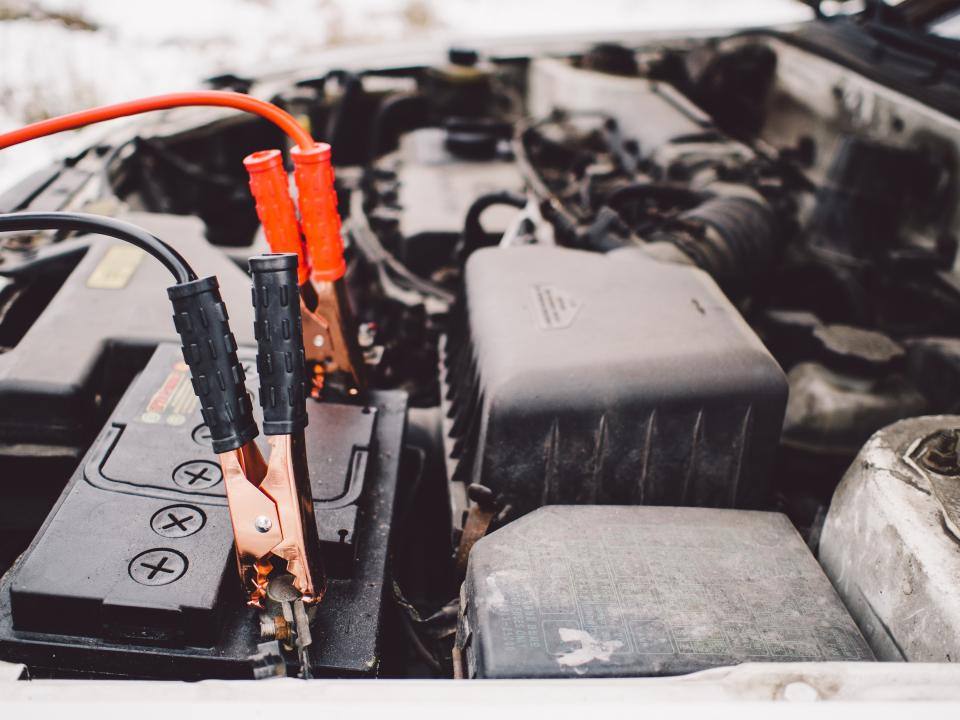
Featured image: Jumpercables Battery by Pawel Kadysz via Stocksnap, CC0 (public domain).