Building a house, adding a room, replacing a roof or renovating a kitchen is a big investment. Ask anyone who has done it and you will hear stories of fundis who disappeared with deposits, used poor materials, went over budget or did work that had to be redone. Most of these problems can be avoided by choosing carefully and managing the project properly.
Contents
- Step 1: Define the project
- Step 2: Find candidates
- Step 3: Vet each contractor
- Step 4: Compare detailed quotes
- Step 5: Put everything in a written contract
- Step 6: Pay in milestones, never all upfront
- Step 7: Consider buying materials yourself
- Step 8: Supervise the work
- Red flags
- Related guides
- Frequently asked questions
Step 1: Define the project
Before talking to contractors, be clear about what you want:
- A description of the work, with drawings or plans where needed
- Materials and finishes you prefer
- Your budget, including a contingency of 10–15% for surprises
- Your timeline
For new buildings and major structural work, you will need approved plans from your county government, and often an architect and structural engineer.
Step 2: Find candidates
- Ask friends, neighbours and colleagues who recently completed similar work
- Visit projects in your area and ask who built them
- For larger projects, check contractors registered with the National Construction Authority (NCA)
- Ask hardware shops; they often know which fundis are reliable and pay their bills
Shortlist at least three contractors.
Step 3: Vet each contractor
- Registration: contractors doing construction work should be registered with the NCA in the right category for the project’s size and type. Verify registration directly with the NCA.
- Past work: visit at least two completed projects and speak to the owners. Were they finished on time and on budget? How were problems handled?
- Experience: have they done projects like yours?
- Team: who will actually do the work? Will the contractor supervise personally?
- Specialists: for electrical work, use licensed electricians; for plumbing and roofing, check specific experience.
- Business details: a physical address, phone number and KRA PIN.
The same approach works for any service provider; see our supplier due diligence checklist.
Step 4: Compare detailed quotes
Ask each contractor for a written quote based on the same scope. A good quote breaks down:
- Materials, with quantities, specifications and brands
- Labour
- Equipment hire
- Timeline
- What is excluded
Be cautious of a quote much lower than the others. It may mean cheaper materials, missing items or a plan to demand more money later.
Step 5: Put everything in a written contract
Your agreement should include:
- Detailed scope of work and specifications
- Total price and what it includes
- Payment schedule tied to milestones
- Start and completion dates, and what happens if they are missed
- Who buys materials
- Warranty on workmanship and how defects will be fixed
- How changes to the scope will be agreed and priced
- Site cleanup and safety responsibilities
Step 6: Pay in milestones, never all upfront
| Milestone | Example payment |
|---|---|
| Mobilisation (start) | 10–20% |
| Foundation complete | 20% |
| Walls to roof level | 25% |
| Roofing complete | 20% |
| Finishes complete | 10–15% |
| Retention after defects period | 5–10% |
Pay only after inspecting completed work, keep receipts and pay through traceable methods. Holding back a small retention until after a defects period encourages the contractor to fix problems.
Step 7: Consider buying materials yourself
Buying key materials such as cement, steel and roofing yourself, or verifying deliveries, protects you from substandard substitutes. Check that steel and cement meet Kenya Bureau of Standards (KEBS) requirements.
Step 8: Supervise the work
- Visit the site regularly, including unannounced visits
- Take dated photos at each stage
- For larger projects, hire an independent clerk of works or engineer to inspect critical stages, such as foundations, columns and slabs, before they are covered
- Keep a record of all changes and agreements in writing
Red flags
- Demands for large upfront payments
- Reluctance to put things in writing
- No verifiable past projects
- Pressure to start immediately
- Suggestions to skip permits or approvals
Related guides
If you are building on new land, first complete the checks in our land buying due diligence guide. Planning a renovation? Consider adding rainwater harvesting and energy-saving features while the builders are on site.
Frequently asked questions
Should I hire a contractor or manage fundis myself?
Managing fundis directly can save money but requires time and knowledge. A registered contractor takes responsibility for coordination and quality, which suits larger projects.
What if the contractor abandons the project?
A written contract, milestone payments and records of work done put you in a strong position to recover money and hire a replacement. Seek legal advice for significant losses.
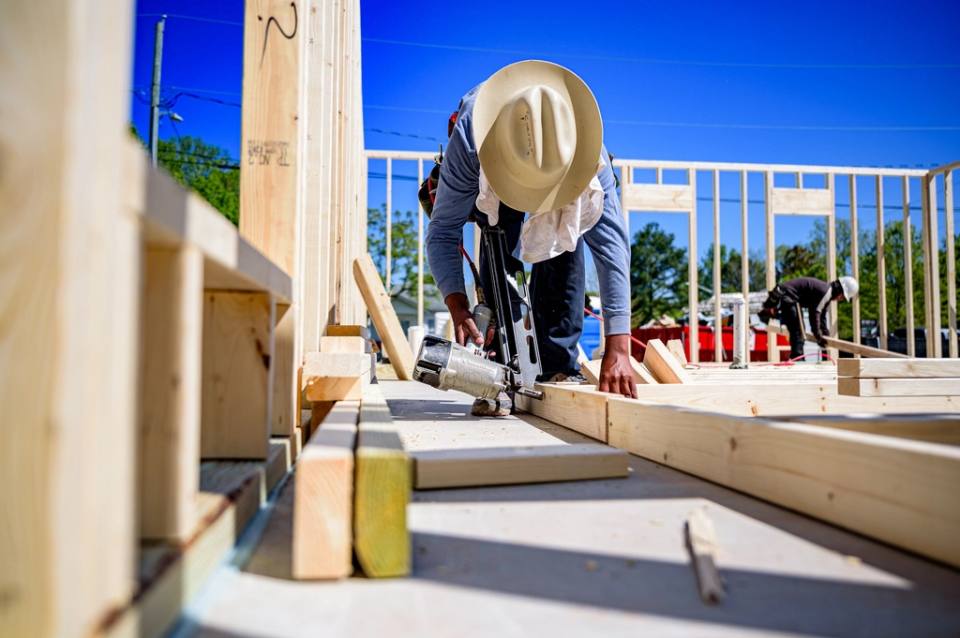
Featured image: Construction worker building house by Unknown via Rawpixel, CC0 (public domain).