High blood pressure, or hypertension, is often called the “silent killer” because most people with it feel perfectly well. Meanwhile, it quietly damages blood vessels and raises the risk of stroke, heart attack, heart failure and kidney disease. The World Health Organization estimates that over a billion adults worldwide have hypertension, and many do not know it.
Contents
The encouraging news is that lifestyle changes can make a real difference, either preventing high blood pressure or helping medication work better.
Understanding the numbers
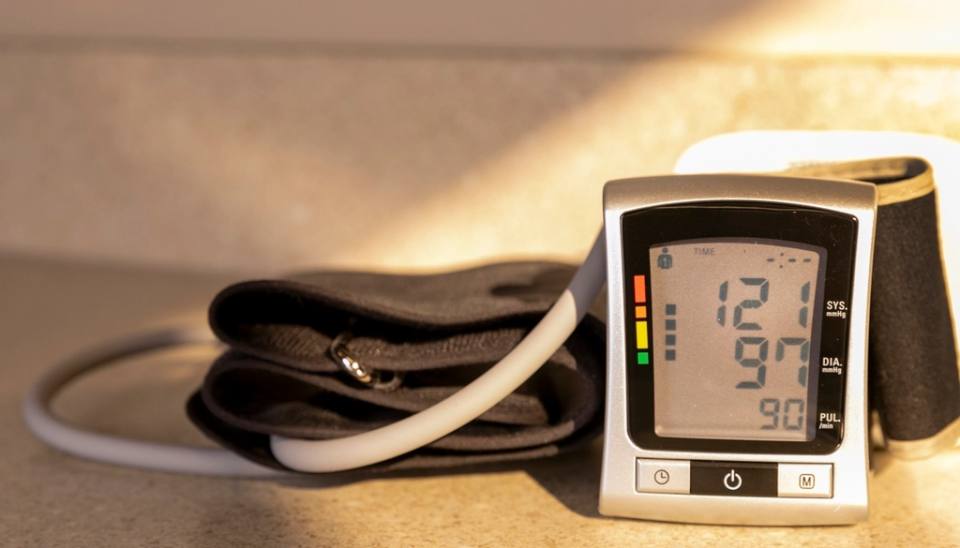
Blood pressure is written as two numbers, such as 120/80 mmHg:
- Systolic (top number): pressure when the heart beats
- Diastolic (bottom number): pressure when the heart rests between beats
In general terms, readings below 120/80 are considered normal, and readings that are consistently 140/90 or higher are commonly used to diagnose hypertension, though guidelines differ slightly. A single high reading does not mean you have hypertension; diagnosis requires repeated measurements. Your health worker will interpret your numbers.
Get checked regularly
Because hypertension usually has no symptoms, the only way to know is to measure it. Adults should have their blood pressure checked at least once a year, and more often if they are over 40, overweight, have diabetes or have a family history of high blood pressure. Many pharmacies and clinics offer quick checks, and home monitors are affordable.
Lifestyle changes that lower blood pressure
1. Reduce salt
Salt (sodium) is one of the biggest drivers of high blood pressure. The WHO recommends adults eat less than 5 grams of salt a day, about one teaspoon, including salt already in food. Practical steps:
- Taste food before adding salt at the table
- Cut back on processed foods, crisps, sausages, instant noodles and stock cubes
- Use herbs, garlic, ginger, lemon and spices for flavour
- Check food labels for sodium content
2. Eat more vegetables, fruit and whole grains
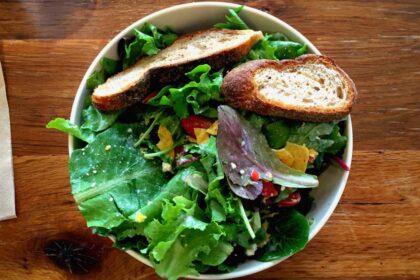
Diets rich in vegetables, fruit, legumes such as beans and lentils, whole grains and low-fat dairy help lower blood pressure. Many traditional foods, such as sukuma wiki, managu, beans, ndengu and millet, fit well into a heart-healthy diet when prepared with little salt and oil.
3. Move more
Aim for at least 150 minutes of moderate activity per week, such as brisk walking, cycling or swimming; that is 30 minutes on five days. Even short walks after meals help. Start gradually if you have been inactive.
4. Maintain a healthy weight
Losing even a modest amount of weight, if you are overweight, can lower blood pressure. Waist size matters too: carrying extra weight around the middle increases risk.
5. Limit alcohol
Heavy drinking raises blood pressure. If you drink, keep it moderate, and talk to your health worker about safe limits for you.
6. Stop smoking
Smoking damages blood vessels and greatly increases the risk of heart disease and stroke. Quitting is one of the best things you can do for your heart.
7. Manage stress and sleep well
Chronic stress and poor sleep are linked to higher blood pressure. Regular activity, time with friends and family, prayer or meditation, and good sleep habits all help. Our guide to better sleep has practical tips.
When medication is needed
Lifestyle changes are powerful, but many people also need medication to reach a safe blood pressure. If your doctor prescribes it:
- Take it every day, even when you feel well
- Do not stop without talking to your doctor
- Keep monitoring your blood pressure
- Continue healthy habits; they make medication more effective
Know the warning signs of an emergency
Seek emergency care immediately for signs of a stroke (sudden face drooping, arm weakness, slurred speech), chest pain, severe headache with confusion, or sudden vision problems.
Related health checks
High blood pressure and diabetes often occur together. Learn the early signs of type 2 diabetes and ask for a blood sugar test when you check your blood pressure. To understand how to pay for ongoing care, see our guide to SHA and private health insurance.
Frequently asked questions
Can high blood pressure be cured?
For most people, it is a long-term condition that can be well controlled with lifestyle changes and, if needed, medication, rather than cured.
Does coffee raise blood pressure?
Caffeine can cause a short-term rise. Moderate coffee drinking is generally fine for most people, but ask your doctor if you have hypertension.
Are home blood pressure monitors accurate?
Validated upper-arm digital monitors are generally reliable. Sit quietly for five minutes before measuring, and take readings at the same times each day.
This article is for general information and does not replace professional medical advice. Talk to a qualified health worker about your blood pressure and treatment.
Featured image: Blood Pressure Monitors by Unknown via Rawpixel, CC0 (public domain).